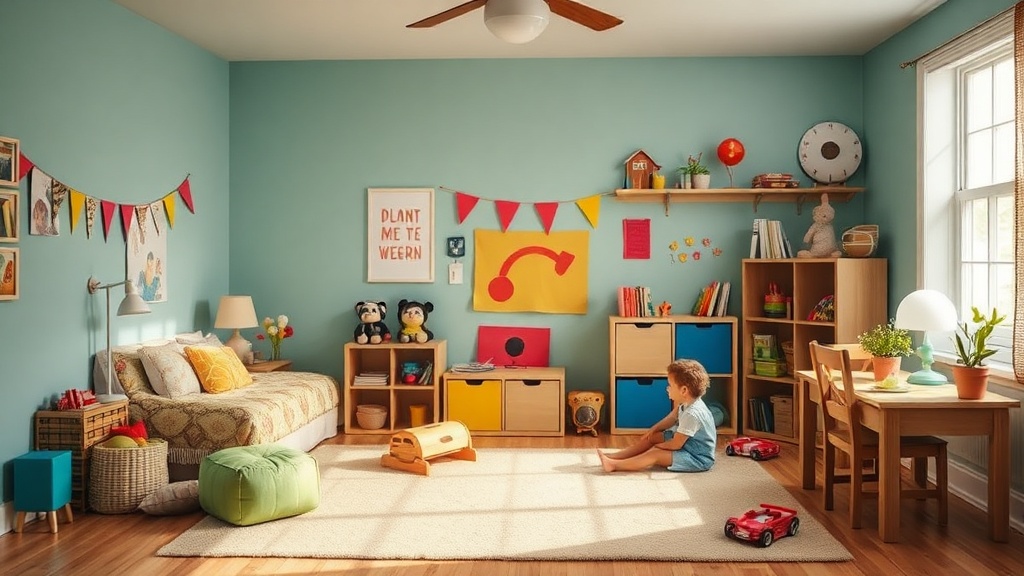
Setting Up a Budget-Friendly Playroom at Home

A toddler stands in the middle of a living room, surrounded by a mountain of brightly colored plastic blocks, a battery-operated singing elephant, and three different types of sensory bins. The room feels cramped, the noise is constant, and the sheer amount of "stuff" makes the walls feel like they're closing in. This isn't just a mess; it's a lack of structure that can lead to sensory overload for both the child and the parent.
Creating a dedicated play space doesn't require a massive renovation or a designer's touch. This post breaks down how to build a functional, engaging, and budget-friendly playroom using items you likely already own or can find for a few dollars at a local thrift store. We'll look at zoning, storage solutions, and how to keep the clutter from taking over your entire home.
How Much Does a Playroom Cost to Set Up?
You can set up a highly functional, engaging playroom for under $100 if you prioritize secondhand items and multipurpose furniture. Most of the "big ticket" items kids actually love—like wooden blocks, puzzles, and basic climbing structures—are readily available through resale markets. Instead of buying brand-new-out-of-the-box, look for high-quality used goods that have already stood the test of time.
The trick is to spend your money on the "anchors"—the items that provide structure—and save on the "consumables" like small plastic toys. For example, a single high-quality set of Magna-Tiles might cost more than a dozen cheap plastic figures, but the long-term value is much higher. If you're on a tight budget, focus on the foundation first.
Consider these three tiers of spending:
| Tier | Focus | Typical Cost |
|---|---|---|
| The Minimalist | Floor space, rugs, and basic bins. | $20 - $50 |
| The Balanced Builder | Adding a small bookshelf and a dedicated craft station. | $100 - $200 |
| The Enthusiast | Adding specialized items like a Pikler triangle or soft play foam. | $400+ |
It's worth noting that a "cheap" toy often breaks or loses parts faster than a well-made secondhand item. (Trust me, I've seen enough broken plastic wheels to know the difference.)
What Are the Best Low-Cost Play Zones?
The best low-cost play zones are defined by specific activities like reading, building, or movement. By dividing a room or a corner into "zones," you help your child understand what behavior is expected in each area. This reduces the chaos and helps with transitions—which, as we know, are often the hardest part of a toddler's day.
Here are a few zones you can build without breaking the bank:
- The Reading Nook: Grab a cheap pile of floor pillows or even just some old bed pillows and a soft blanket. A small bookshelf from a place like IKEA can hold your current favorites without taking up much room.
- The Creative Station: A small table and chair set is plenty. You don't need a professional art desk; a simple wooden table with a washable surface works perfectly.
- The Movement Zone: This is just an open area with a rug. If you have a rug, you have a movement zone. You can add a small pop-up tent or a tunnel later if the budget allows.
- The Sensory Station: This can be as simple as a plastic bin filled with rice, sand, or water. It's a great way to keep them occupied while you're prepping a meal.
If you're struggling with the sheer volume of toys, you might find finding joy in the messy middle of playtime a bit easier once you have these zones established. It keeps the "mess" contained to a specific area.
How Can I Organize Toys Without Spending a Fortune?
Organization is about visibility and accessibility, not about having the most expensive matching bins on the market. The goal is to make it easy for your child to see what they have and—more importantly—to put it back where it belongs. If a child can't see the toy, they'll likely dump the entire bin out looking for it.
The "Open Bin" method is a lifesaver. Instead of complex drawers or heavy chests, use open-top baskets or bins. This makes it much easier for small hands to grab a toy and, crucially, to put it back. If they can't lift it or reach it, they won't use it (or they'll make a mess trying).
Budget-Friendly Organization Tips:
- Label with Pictures: If your child isn't reading yet, use a photo or a drawing. A picture of a block on the bin tells them exactly where the blocks go.
- The "One-In, One-Out" Rule: When a new toy comes into the house, something else has to go. This prevents the "toy creep" that eventually swallows your living room.
- Repurpose Household Items: An old shoebox can become a sorting bin for small cars. A muffin tin can be a perfect tray for sorting different colors of beads or blocks.
- Use Vertical Space: If you're short on floor space, use wall-mounted shelves. It keeps the floor clear for movement and prevents the "tripping hazard" feeling.
Don't feel the need to buy a set of matching, aesthetic containers just because they look good on Instagram. A mismatched collection of baskets from a thrift store is much more practical and much easier on your wallet. The focus should be on function.
One thing to keep in mind: a cluttered space often leads to a cluttered mind. If you're feeling overwhelmed by the sheer amount of stuff, it might be time for a "toy rotation." Instead of having every single toy out at once, put half in a bin in the garage or a high closet. Every few weeks, swap them out. It makes the "old" toys feel brand new again.
This is a great way to manage the mental load of parenting. If you're feeling the weight of the mess, check out the 5-minute sanity reset to help center yourself before tackling the cleanup. A little bit of order goes a long way in keeping the household running smoothly.
Remember, the goal isn't to create a perfect, Pinterest-worthy playroom. The goal is to create a space where your child can explore, learn, and—occasionally—make a giant mess that you can clean up in five minutes. Keep it simple, keep it functional, and don't be afraid to use what you've already got.
Steps
- 1
Audit your current toys and declutter
- 2
Source second-hand furniture and bins
- 3
Create designated zones for different activities
- 4
Rotate toys regularly to keep interest high