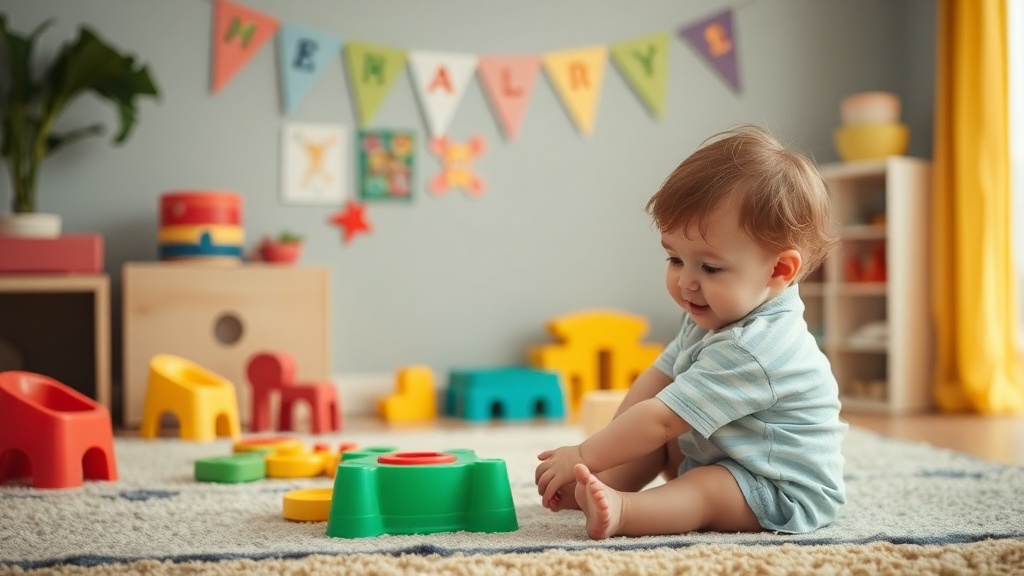
Setting Up a Low-Stress Play Area for Your Growing Toddler

This post covers how to organize a safe, engaging play space that encourages independent play while minimizing the constant cleanup. Setting up a dedicated area for your toddler isn't just about buying expensive toys; it's about creating an environment where they can explore without constant supervision—and where you can actually relax for ten minutes.
When we talk about play, we often think about the toys themselves. But as any parent knows, a room filled with a dozen different bins and hundreds of tiny pieces becomes a headache once the play session ends. A successful play area focuses on accessibility and order. You want your child to be able to reach their favorite books or blocks without a meltdown, and you want to be able to reset the room in under five minutes.
How do I set up a toddler play space at home?
Start with a clear zone. This doesn't need to be a separate room—it can be a corner of your living room or even a designated rug. The goal is to define the space so the child knows, "This is where the toys live." Using a low-profile rug or a specific piece of furniture helps create these psychological boundaries.
Next, think about the furniture. Avoid anything with sharp edges or heavy, unstable pieces. A small, sturdy table and two child-sized chairs can serve as a hub for more focused activities like coloring or play-dough. If you're short on space, a single, large bin for everything might seem easier, but it often leads to a mess where everything gets buried. Instead, try smaller, open bins or baskets. This makes it much easier for a child to find what they need and, more importantly, put it back.
Safety is a non-negotiable part of the process. Even if your toddler seems like a pro at walking, they are still prone to pulling themselves up on things or knocking things over. Make sure any heavy shelving is anchored to the wall. You can find great advice on child-proofing and safety standards through the American Academy of Pediatrics to ensure your setup meets current safety guidelines.
Can toddlers actually play independently?
The short answer is yes, but it's a skill that needs to be built. You can't just drop a toddler in a room with toys and expect them to engage for an hour. Independent play is a muscle. You build it by providing high-quality, open-ended toys that don't have a single "right" way to be used. Think wooden blocks, stacking cups, or even a simple set of nesting bowls. These items allow for endless possibilities, which keeps their interest longer than a toy that just makes a single noise and stops.
To encourage this, try the "rotation method." Instead of having every toy out at once, keep a small selection available and swap them out every week or two. This keeps the environment fresh and prevents the "choice paralysis" that happens when there are too many options. A bored child is more likely to disrupt your day; a curious child is more likely to play quietly while you grab a coffee.
As they grow, you can introduce more complex tasks, but always keep the physical environment simple. If the area is too cluttered, their brain gets overwhelmed. A minimalist approach to play is actually much better for their development and your sanity.
How do I manage toy clutter in a small house?
Clutter is the enemy of a peaceful home. If you're feeling overwhelmed by the sheer volume of plastic and fluff, it's time to audit your collection. Look through your current inventory and ask yourself: Is this toy still being used? Is it age-appropriate? Is it a mess to clean up? If the answer is no, it's time to donate it.
Consider using a "toy rotation bin" in a closet or a garage. This keeps the items out of sight and out of mind, so you aren't constantly tripping over them. When the current toys become "old news" to your child, swap them with something from the bin. This method is highly effective for managing smaller living spaces without feeling like you're constantly living in a warehouse of playthings.
For more ideas on developmental milestones and how they impact play, checking out resources like the CDC milestone tracker can be helpful. It helps you understand when to introduce new types of toys as their physical and cognitive abilities change.
Remember, your goal isn't to have a perfect, Pinterest-ready room. It's to have a functional space that supports your child's development and doesn't make you want to scream. A little bit of organization goes a long way in keeping the peace during those long afternoon hours.
- Use low, open bins for easy access.
- Rotate toys weekly to maintain interest.
- Anchor all furniture to walls.
- Define the space with a rug or specific zone.
- Keep the floor clear of small, choking-hazard items.