
The One Parenting Habit That Instantly Calms Chaos at Home

Quick Tip
Pause for a single breath before responding to your child to instantly reduce emotional escalation and create calmer outcomes.
There’s a moment every parent knows: the noise spikes, someone’s crying, something spills, and suddenly the whole house feels like it’s spinning out of control. Most advice tries to fix the child. Fewer talk about fixing the environment you create in that moment.
Here’s the single habit that consistently works across ages, personalities, and situations:
Pause First, Then Respond

It sounds simple. It is simple. But it’s not easy.
When chaos hits, your instinct is to jump in fast—correct, stop, lecture, fix. That urgency is exactly what escalates things. Kids mirror emotional intensity far more than they respond to logic.
Pausing—even for five seconds—interrupts that escalation loop.
This habit works because it does three things immediately:
- Regulates your nervous system before you try to regulate your child’s
- Signals safety instead of urgency
- Prevents overreaction you’ll later regret
Why Most Parents Skip This Step

Because it feels like doing nothing.
And when your toddler is melting down or your older child is pushing limits, doing nothing feels irresponsible. But pausing isn’t passive—it’s strategic.
Think of it as creating a buffer between stimulus and response. Without that buffer, you’re reacting. With it, you’re leading.
New parents especially fall into the trap of believing fast responses equal good parenting. In reality, rushed reactions are often inconsistent, louder, and less effective.
What the Pause Actually Looks Like

This isn’t dramatic. You’re not freezing the room. You’re buying yourself a few seconds of clarity.
Here’s how it plays out in real life:
- Your child spills milk and starts to panic → you inhale slowly before speaking
- Two siblings start yelling → you step closer quietly instead of shouting across the room
- Your child refuses to listen → you lower your voice instead of raising it
The pause can be as short as one breath. What matters is that it’s intentional.
The Hidden Impact on Your Child

Children don’t learn emotional regulation from lectures. They learn it by watching you.
When you pause instead of react, you’re modeling:
- How to handle stress without exploding
- How to slow down before making decisions
- How to stay grounded when emotions run high
Over time, this changes how your child responds to frustration. You’ll start noticing fewer escalations—and faster recoveries when things do go wrong.
Where This Habit Works Best
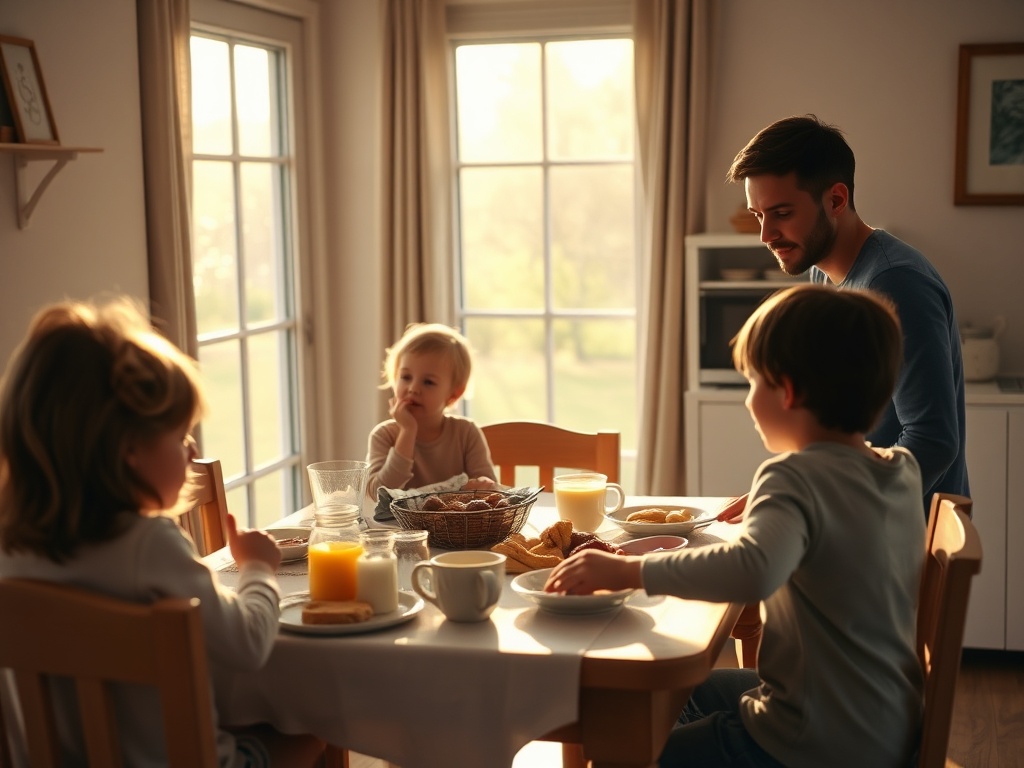
The pause habit is especially powerful in predictable stress zones:
- Morning routines when everyone is rushed
- Bedtime when kids resist winding down
- Transitions like leaving the park or turning off screens
- Public settings where pressure feels higher
These are moments where parents tend to escalate quickly—and where pausing has the biggest payoff.
Common Mistakes to Avoid

Not all pauses are helpful. Here’s where parents get it wrong:
- Pausing but staying visibly tense — kids still pick up the stress
- Using the pause to suppress emotion instead of regulate it
- Waiting too long to respond — clarity matters, but so does guidance
The goal isn’t silence. It’s a calmer, more deliberate response.
How to Build the Habit (Without Overthinking It)

You don’t need a full system. You need a trigger.
Pick one phrase you repeat internally when things spike. Something like:
- "Pause first"
- "Breathe, then speak"
- "Stay calm, lead clearly"
That phrase becomes your mental cue. Over time, it becomes automatic.
Another trick: anchor the habit to a physical action. Touch your chest. Exhale slowly. Lower your shoulders. These micro-actions reinforce the pause.
What Changes After a Week

This isn’t a long-term theory. You’ll notice shifts quickly.
Within a few days:
- You’ll catch yourself before snapping
- Your tone will soften naturally
- Conflicts will feel shorter and less intense
Within a week:
- Your child will start responding to your calmer energy
- Power struggles will decrease
- Your confidence as a parent will increase
The chaos doesn’t disappear. But it becomes manageable—and far less draining.
The Real Reason This Works

Parenting isn’t about controlling every situation. It’s about controlling your presence within it.
The pause gives you that control back.
Instead of reacting to your child’s emotions, you become the steady reference point they can orient around. That’s what actually calms chaos—not louder rules, not stricter consequences, but consistent emotional leadership.
It’s not flashy. It won’t go viral. But it works—and it compounds over time in a way most parenting strategies don’t.
Start with one breath. Then build from there.