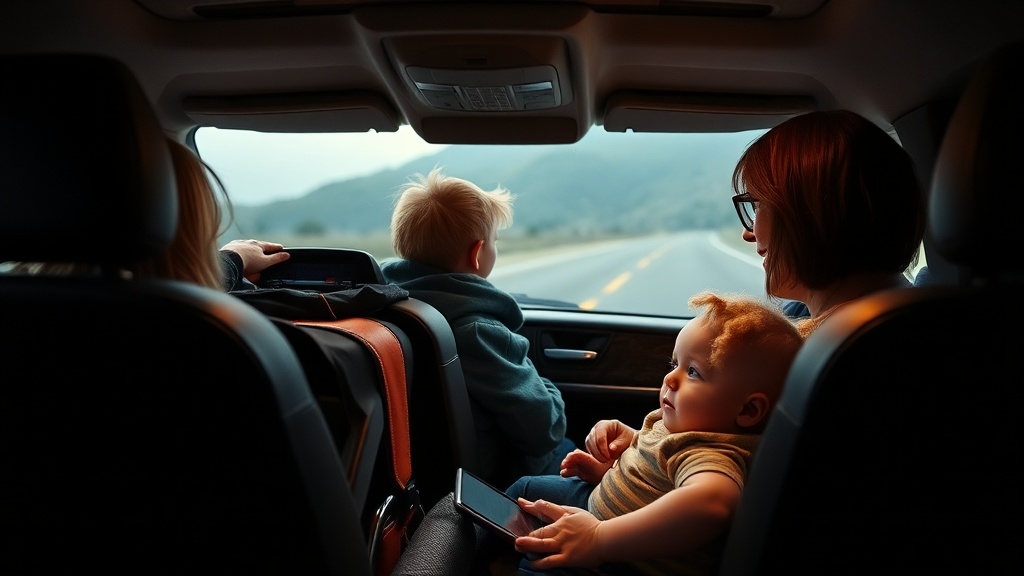
Why Your First Big Trip with a Baby Doesn't Have to Be a Disaster

People often believe that traveling with a newborn or a young infant requires a level of precision that borders on military strategy. There is a common myth that if you don't pack every possible contingency, the entire trip will fall apart. In reality, the stress of travel usually comes from the expectation of a seamless experience rather than the actual logistics. When you stop trying to replicate your home environment while on the move, you find more room for flexibility—and a lot more sanity. This post breaks down how to handle the reality of traveling with a small child without losing your mind or your budget.
Traveling with a baby involves a shift in perspective. You aren't just a traveler anymore; you're a mobile support system. Instead of focusing on the destinations or the sights, your primary goal becomes maintaining a sense of rhythm. Whether you're hopping on a plane or driving across state lines, the goal is to minimize the number of things that can go wrong by simplifying your toolkit.
How Do I Pack for a Trip with a Baby?
The biggest mistake parents make is overpacking. You don't need three suitcases of diapers for a weekend trip. Instead, focus on the "Rule of Three": enough for the current moment, plus a backup, plus a spare. This applies to clothing, feeding supplies, and even basic medicine. If you carry too much, you'll spend your entire vacation managing gear instead of actually enjoying your surroundings.
- The Diaper Strategy: Pack enough for 24 hours of unexpected delays. If you're staying in a hotel or an Airbnb, you can often find local stores to restock.
- Feeding Essentials: Whether you are breastfeeding or using formula, keep your supplies compact. Travel-sized containers and collapsible bottles save a massive amount of space.
- Comfort Items: A familiar blanket or a specific pacifier can act as a psychological anchor for your child during transitions.
A good resource for checking current travel requirements for air travel is the TSA website. They provide clear rules on liquids and baby food, which can save you a headache at security. Knowing exactly what you can carry through the checkpoint prevents that frantic searching through your bag while a line of tired travelers watches you.
What Are the Best Ways to Travel on a Budget?
Travel is expensive, and adding a baby to the mix adds layers of costs you might not have anticipated. From extra baggage fees to the need for a larger rental car, the numbers add up fast. However, you don't have to skip the big trips just because you have a little one. Smart planning can keep your costs down without stripping away the fun.
One way to save is to avoid the "peak" travel times that everyone else is fighting for. If you can travel during the mid-week or during the off-season, you'll find much lower prices on lodging. Another tip is to look for accommodations with kitchenettes. Being able to prepare a quick bottle or a simple meal in your room instead of eating every single meal at an expensive restaurant is a massive relief for your wallet. It also gives you a controlled environment for feeding time.
| Travel Type | Budget Tip | Why It Works |
|---|---|---|
| Air Travel | Use a lightweight backpack | Avoids heavy baggage fees |
| Road Trip | Pack reusable snacks | Saves money on gas station stops |
| Lodging | Look for suites with kitchenettes | Allows for home-cooked meals |
For those worried about the cost of gear, consider renting instead of buying. Many companies offer baby gear rental services that deliver high-quality cribs or high chairs directly to your destination. This prevents you from having to haul heavy equipment through an airport.
Can I Travel Long Distances with a Young Infant?
The short answer is yes, but you need to prepare for the sensory changes. Long distances mean long periods of confinement, which can be tough for a baby. The key is to provide frequent "sensory breaks." If you're in a car, find a way to stop every two hours to let the baby see a new environment, even if it's just a quick stroll in a park. If you're flying, try to time your departure with their natural sleep cycles.
It's also helpful to look at the CDC guidelines for travel to ensure you aren't bringing your child into an environment where they might be at higher risk for certain illnesses. Being aware of the health space of your destination is a part of responsible traveling. It's not just about the physical path, but about the safety of the environment you're entering.
Don't forget that your own comfort dictates your ability to care for your child. If you are exhausted and stressed, your baby will pick up on that energy. Prioritize your own needs—enough sleep, hydration, and a decent meal—to ensure you have the stamina to handle the bumps in the road. A successful trip isn't one where nothing goes wrong; it's one where you feel capable of handling whatever does go wrong.
When you are on the move, the smallest things—a lost toy, a spilled bottle, or a delayed flight—can feel like a catastrophe. Prepare your "emergency kit" for these moments. This isn't just a bag of extra clothes, but a mental kit of what to do when things deviate from the plan. Remind yourself that the goal is the experience, not the perfection of the itinerary. If the baby cries during the flight, it's okay. If you have to eat pizza on the floor of your hotel room because the restaurant was too loud, that's okay too. These are the stories you'll tell later, even if they feel exhausting in the moment.